
Bear Mountain Hickory BBQ Pellets
Hardwood pellets with nothing else in them. The default fuel for any pellet grill.
- Wood
- 100% hardwood, hickory over an alder or oak base
- Bag sizes
- 20 lb and 40 lb
Hardwood pellets
Check current price on AmazonTool
To work out when to light the smoker, take the long end of the cook window, add the rest, and subtract that from the time you want to eat. A 12lb brisket at 225°F is 18–24 hours of cook plus up to four hours of rest — so to serve at 6pm on Saturday, you are lighting it around 2pm on Friday.
Pick a cut and a serve time below and this becomes a clock time. For the the figures on their own, the smoking times chart has every cut and temperature without the arithmetic.
Usually 10–18lb.
Charted for 225–275°F.
Smoker temperature against the heat scale
Start by
Pick a serve time and this becomes a clock time.
Based on the long end of the window — finished barbecue holds for hours in a cooler, but it cannot be hurried.
13.5–30 lb
Buy 2 × 20lb bags. Cold or windy days push this higher.
Probe for feel rather than a number — it is done when a probe slides into the flat with no resistance, which can happen anywhere in the 195–205°F band.
The same 14lb brisket can finish two hours apart between cooks. Grade, fat cap, airflow, ambient temperature and how often the lid comes off all move the number, and none of them are things a calculator can see.
So this tool gives you a window rather than a time, and computes your start from the long end of it. That asymmetry is deliberate: finished barbecue will sit in a faux cambro for hours and arguably improve, while an unfinished brisket at dinner time is not a problem you can solve. Being early is recoverable. Being late is not.
A calculator that returned “9.4 hours” would feel more precise and be less true.
Hours per pound unless marked otherwise, at the temperatures we chart.
| Cut | 225°F | 250°F | 275°F | Pull at | USDA min |
|---|---|---|---|---|---|
| Beef brisket (packer) | 1.5–2 | 1.25–1.5 | 1–1.25 | 195–205°F | 145°F |
| Pork shoulder / Boston butt | 1.5–2 | 1.25–1.5 | 1–1.25 | 195–205°F | 145°F |
| Pork spare ribstotal, not per pound | 5–6 | 4–5 | 3.5–4.5 | 195–203°F | 145°F |
| Baby back ribstotal, not per pound | 4–5 | 3.5–4.5 | 3–4 | 195–203°F | 145°F |
| Beef short ribs | 1.5–2 | 1.25–1.75 | 1–1.5 | 200–210°F | 145°F |
| Whole chicken | — | — | 0.65–0.85 | 165–175°F | 165°F |
| Whole turkey | — | — | 0.5–0.65 | 165–175°F | 165°F |
| Pork loin | 0.6–0.8 | 0.5–0.7 | 0.4–0.6 | 145–150°F | 145°F |
Chicken and turkey are charted at 275–325°F rather than 225–275°F, because poultry skin does not render below about 275°F. Their columns are empty above by design, not by omission.
The pull temperatures are a different kind of claim. 195–205°F for brisket is long-standing barbecue convention about where collagen renders, not a food-safety threshold and not something we have measured. We present it as convention because that is what it is.
Hours per pound is barbecue convention, not a published measurement. The one exception is whole turkey, where USDA estimates 20 to 30 minutes per pound in a smoker; for every other cut no institution publishes a rate and we do not imply one. Where you set a smoker temperature between two charted points the tool interpolates; outside the charted range it clamps to the nearest end and says so, rather than extrapolating a curve nobody published.
The calculator above handles any weight and temperature. These are the ones people plan most often, each on its own page with the start time, the fuel and what to expect during the cook.
Every cut, weight and temperature — 90 of them.
Every cut and temperature on one printable page, plus an email when we publish something worth your time.
We will send one email asking you to confirm. Nothing happens until you click the link in it, and every email after that has an unsubscribe link. Privacy policy.
The stall is the single largest source of variation in the estimate above, and it is why this returns a range rather than a time.
These cook times assume a smoker that holds temperature. Which of the three does that, and at what cost.
The budget probe this page recommends, against one that publishes ±0.5°F accuracy and ships a calibration certificate — and when that difference matters.
The pellet estimate above is in pounds. This is what to put in the hopper, and what the brands do and do not publish.
If the cook you just planned is a turkey, the days before it matter more than the hours: a frozen bird cannot go in the smoker at all.
The pellet estimate above is in pounds, and a 20lb bag covers roughly one long brisket cook — not a season of them. These are the fuels in our catalogue, with what each manufacturer publishes about them.
Hardwood pellets with nothing else in them. The default fuel for any pellet grill.

Clean, medium smoke profile from 100% natural oak hardwood. The traditional Texas brisket standard.

Bold, earthy, and intense smoke character. Best for quick high-heat beef cooks or blended with milder woods.
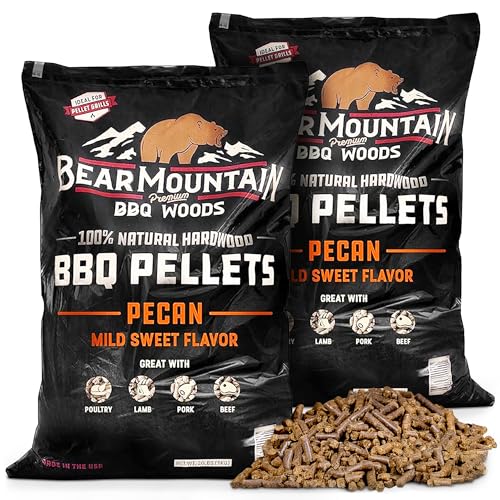
Nutty, mildly sweet aroma that delivers deep reddish mahogany color without overpowering long brisket smokes.

Dense South American hardwood in large pieces. The one to reach for when the cook runs long.
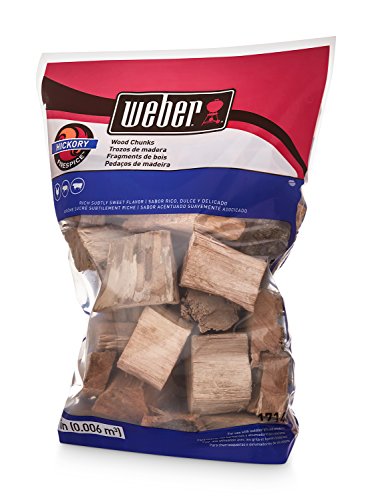
Smoke, not heat. Chunks go on top of charcoal to turn a grill into a smoker.

The baseline everyone knows. Consistent and cheap, and the least documented fuel here.
The estimate above is a range, and the only thing that closes it is the internal temperature. An instant-read for checking — the budget Alpha Grillers, or the Thermapen ONE, which publishes its accuracy and ships a calibration certificate — and a leave-in probe for a cook long enough to sleep through.

The cheapest way to stop guessing. Every temperature on this site assumes you can actually measure one.

The one that publishes its accuracy. Under a second, and a calibration certificate in the box.

Four-channel standalone WiFi and Bluetooth BBQ temperature monitor with commercial accuracy and real-time cloud graphing.
The cook times above assume a smoker that holds its temperature. These are the 9 in our catalogue that burn wood or are published as holding 225°F, compared on published specifications.

The outgoing Ironwood, and the better buy for it — more grate space than the model that replaced it, for less money.
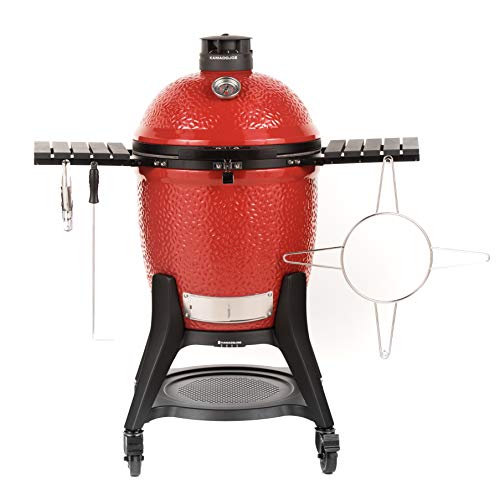
Ceramic, so it holds heat like nothing else here — and weighs what a ceramic oven weighs.

The cheapest way into genuinely good barbecue. No electronics to fail, and it never goes out of date.
Operating range
The current Ironwood. Less grate than the 885 it replaced, and the one Traeger still sells.
Amazon lists the older Ironwood 885 but not the current Ironwood. This goes to Traeger, who sell it directly.
Product image pending
Traeger's current entry pellet grill, and the one of theirs you can actually buy. More grate than the Ironwood that outranks it.

More grate than a Traeger Ironwood for a fraction of the money. The hopper is where it pays for that.

A traditional barrel offset smoker with 1,100 square inches of total space and a dedicated firebox for true split-log smoking.
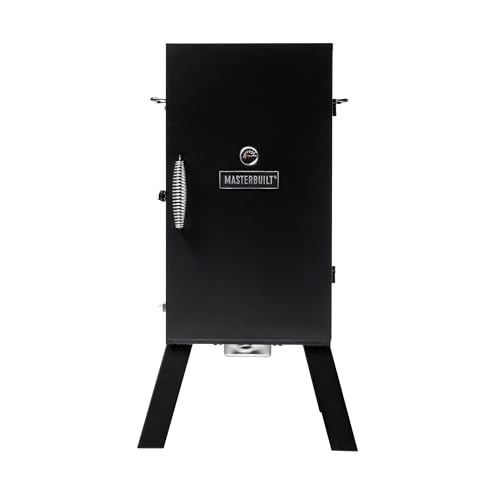
Set-and-forget vertical electric smoker with digital temperature control and a patented side woodchip loader.
Operating range
Full-color WiFi PID controller, direct-flame Slide and Grill sear mode, and a patented ash cleanout cup.
Amazon stocks the Pro version and the previous generation, not this one. This goes to Camp Chef, who sell it directly.